
Mahi Mahi Fishing Near Jaco, Herradura & Los Sueños
Mahi mahi, also called dorado, are colorful offshore fish that are fun to catch and excellent for groups that want action, photos and possible fresh fish. Around Jaco, the best mahi days often come around floating debris, weed lines and current breaks.
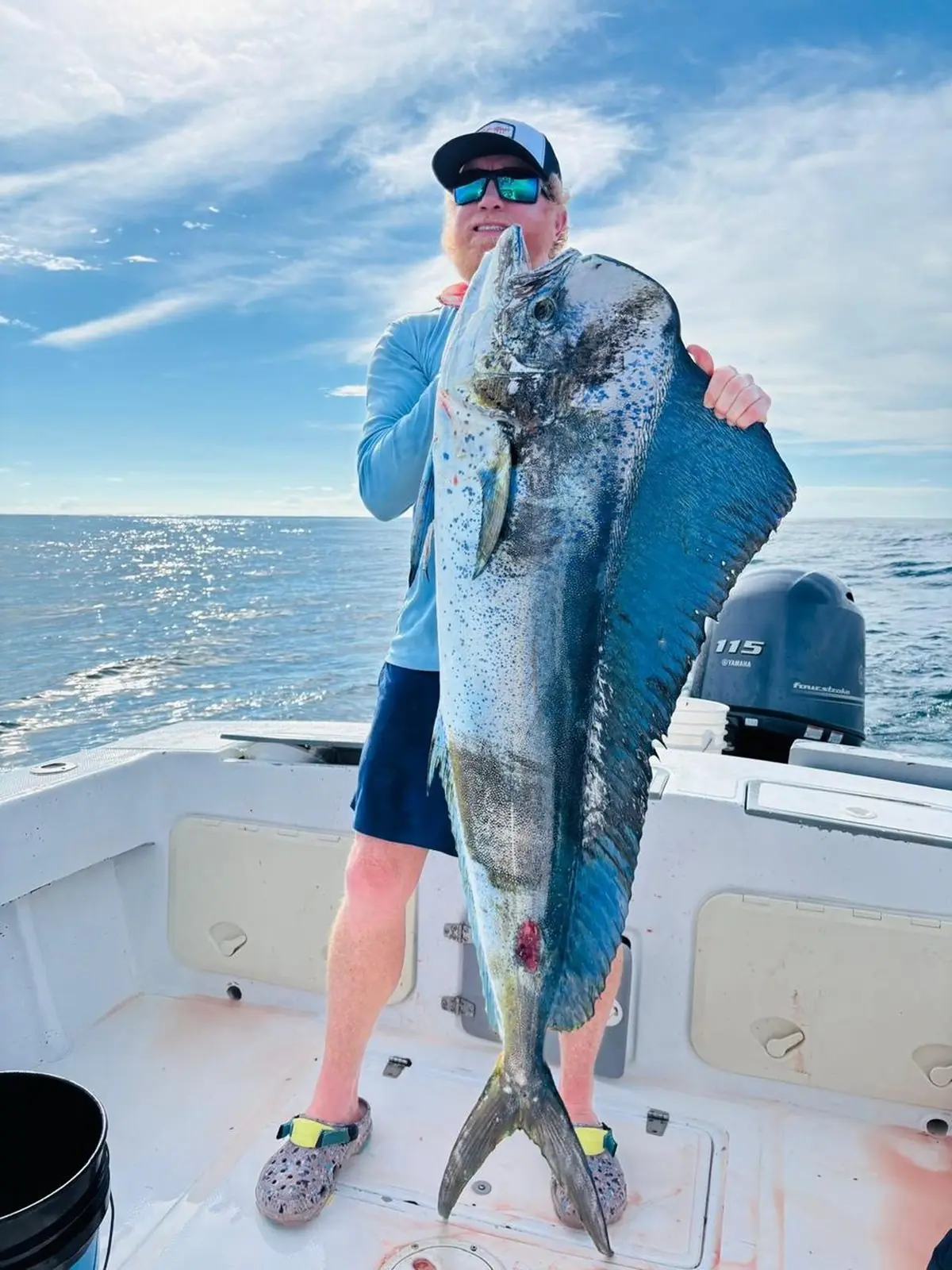
What makes this fish special
- Mahi mahi and dorado are the same fish; travelers search both names, so the page uses both naturally.
- They are known for bright blue, green and gold colors that change quickly after harvest.
- They often gather near floating debris, current seams, weed lines and bait-rich water.
More useful details before you book
Mahi mahi, dorado and dolphinfish
Guests use different names for the same fish. Around Costa Rica, mahi mahi and dorado are the common names. It is a colorful offshore fish known for fast action, great photos and excellent eating when harvest is appropriate.
Where the crew searches
Mahi mahi often hold near floating logs, debris, weed lines, current seams, temperature breaks and birds feeding on bait. Around Jaco and Los Sueños, those signs may be found offshore and can move daily.
How the bite usually happens
Trolling along current lines is the usual search method. When one fish is hooked near debris, more fish may stay close to the boat, giving the crew a chance to pitch baits or lures and turn one bite into group action.
Best Wahoo plan
A full day offshore trip gives the crew the best range to find debris lines and mixed pelagic action. Mahi mahi is also a great flexible target while looking for tuna, sailfish, wahoo or marlin.
Best conditions to watch
- Floating logs or debris lines
- Weed lines and current seams
- Birds working above small bait
- Clean water next to green or stained water
- Recent rain that pushes debris offshore
What can change the plan
Wind, rain, water color, current, bait movement and recent bite reports can change the best route. Wahoo should confirm the local read before you book around one species.
Check weather and sea conditions →How captains usually target Mahi Mahi
The crew covers water along debris, weed lines and color changes with lures or rigged baits.
When one mahi is hooked near debris, others may stay nearby and take pitched baits.
Mahi mahi often appear while targeting tuna, sailfish, wahoo or other pelagic fish.
Best trip options
Full Day Fishing
Best fit for range, debris lines and mixed offshore action.
View option →Offshore Fishing
Compare mahi mahi with tuna, sailfish, marlin and wahoo.
View option →Fishing Calendar
Use the calendar to compare green-season mahi windows.
View option →Season and local patterns
Rain and runoff can push floating debris offshore, creating strong mahi zones.
Full day offshore.
Still possible when clean water, bait and current lines are present.
Flexible offshore trip.
Debris can help, but sea conditions and water color must be checked.
Ask Wahoo before booking.
What a good day looks like
A good mahi day often starts when the crew finds the right floating object or current edge. Once one fish bites, the group may get repeated action. If the debris is empty, the captain can keep the day productive by trolling for tuna, sailfish or other offshore fish.
Common booking mistakes
- Thinking mahi only appear in one exact month
- Ignoring the value of recent rain, debris and current lines
- Calling it “dolphin” on the page without explaining it is not a marine mammal
Mahi mahi are often kept when legal and appropriate. Ask the crew how much fish your group actually wants and how it will be cleaned or handled.